The Social Physics of Hospitality: Why Cebu's Culture of Welcome May Be OSAPS 2024's Most Underrated Variable

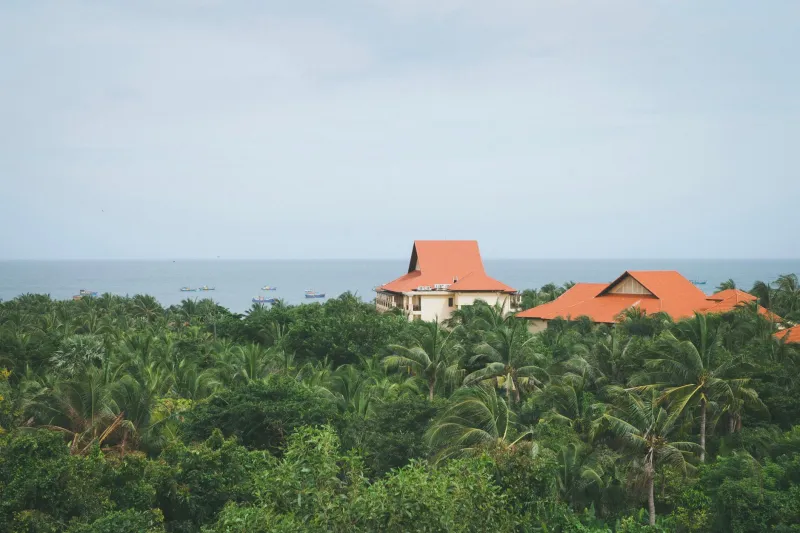
Photo by Photo by Jan Kopřiva on Unsplash on Unsplash
When physicists evaluate a conference, they tend to count the measurable things: number of invited speakers, citation potential of presented work, the bandwidth of the venue's Wi-Fi. What rarely enters the calculus is the city itself — its rhythms, its table manners, its way of receiving strangers. Yet anyone who has attended enough international meetings knows that where a conference happens shapes, in subtle and compounding ways, what happens at the conference.
Cebu, the host city for OSAPS 2024, offers a case study in what might be called the social physics of hospitality: the observable patterns in how a place structures human interaction, and how those patterns propagate through scientific exchange.
The Communal Table as Collaboration Model
Start with the most famous item on any Cebuano menu: lechon, the slow-roasted suckling pig that has made the city a culinary destination in its own right. A visitor from Boston or Boulder might see it as banquet fare. But look closer at how it is served. Lechon is rarely eaten alone or in silence. It arrives in quantities that demand a group, is carved at the table, and is traditionally accompanied by rice, atchara, and long conversation. The meal is architecturally communal — no individual portions, no quick exit.
Compare that with the standard US conference lunch: a boxed sandwich consumed over a laptop, or a forty-five-minute banquet with assigned seating and a scheduled speaker droning over dessert. The difference is not trivial. Some of the most consequential conversations in science happen over unstructured meals, in the slack space between sessions. A dining culture built around sharing and lingering extends that slack space. Attendees at OSAPS 2024 should treat the evening lechon spread not as a break from the program but as part of it — a working session with better food and no slides.
Venues That Refuse to Corral People
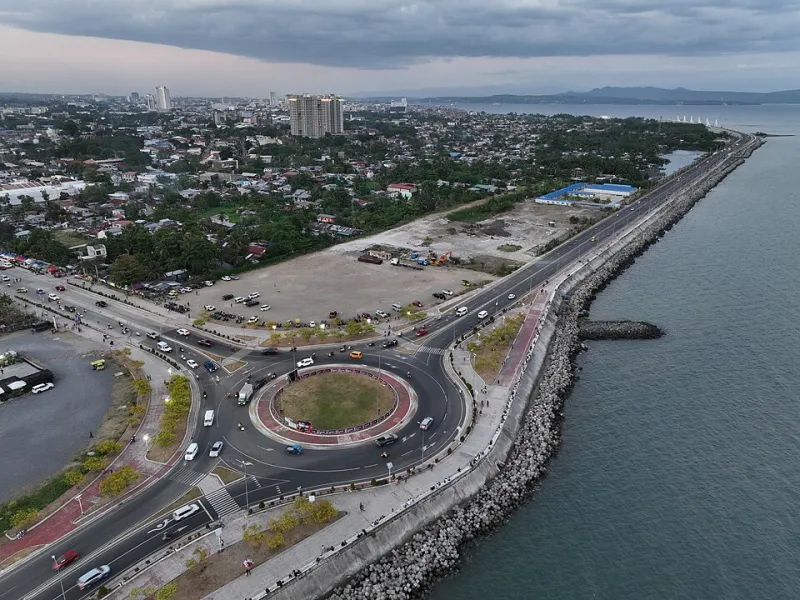
Cebu's conference infrastructure reflects the same logic. Unlike the cavernous, grid-like convention centers of Las Vegas or Chicago — spaces that channel thousands of people along predetermined routes — many of Cebu's waterfront venues and hotel ballrooms are organized around open atria, outdoor terraces, and interconnected lounges. Foot traffic meanders. Encounters are less scheduled and more serendipitous.
For US attendees accustomed to the efficiency of the American convention model, this can initially read as disorganization. It is better understood as a different optimization problem. American venues maximize throughput; Cebuano spaces maximize contact. If the goal of an international society meeting is genuinely to build cross-border research relationships — as the OSAPS charter suggests — then the second objective deserves more weight than American instinct typically gives it.
The Universities as Open Doors
Cebu's academic landscape reinforces this pattern. Home to institutions such as the University of San Carlos — one of the oldest schools in the Philippines — and the University of the Philippines Cebu, the city has a long-standing tradition of hosting visitors, driven in part by the enormous Filipino diaspora and the overseas Filipino worker economy that has made hospitality a national competency.
The practical consequence for OSAPS 2024 is that local faculty and graduate students are likely to be unusually accessible. In many US-hosted meetings, local labs are effectively offstage — attendees fly in and fly out without ever seeing a campus. Cebu's universities sit close to the conference district, and Filipino academic culture tends toward generous reception of foreign colleagues. A physicist from a US midwestern state school who cannot afford a sabbatical abroad may find that a two-hour campus visit in Cebu opens more doors than a year of cold emails.
Why the Host City Is a Scientific Variable
Skeptics will object that hospitality is atmosphere, not mechanism. But the literature on scientific collaboration suggests otherwise. Co-authorship networks form disproportionately through weak ties established in informal settings — the corridor conversation, the shared taxi, the late dinner. Sociologist of science work going back decades, and more recent network analyses of conference-derived collaborations, converge on the same finding: chance encounters are not noise in the system. They are the system.
A host city that engineers more high-quality chance encounters is therefore not merely pleasant. It is causally implicated in the formation of research partnerships. If Cebu's food culture, venue design, and academic openness increase the frequency and duration of informal interaction relative to a comparable meeting in a North American convention center, then the expected collaboration output of OSAPS 2024 is measurably higher — and US attendees who skip the social layer are discounting the very asset they traveled nine thousand miles to access.
A Practical Note for the American Attendee
For US physicists planning their OSAPS 2024 itinerary, the implication is straightforward. Budget time for the unstructured parts of the program. Accept the dinner invitation even when the poster session runs late. Ask a University of San Carlos graduate student what they are working on before asking the plenary speaker. The formal program will be archived online within weeks; the conversation you have over lechon on the second night may not surface in any proceedings, but it has a fair chance of surfacing in your acknowledgments section five years from now.
Conferences are often judged by their agendas. They are remembered by their atmospheres. Cebu has spent centuries perfecting the second thing, and OSAPS 2024 will be the better science for it.